
The Best Time to Design and Plant a Garden in Seattle and Camano Island

Updated: Sep 29
The Best Time to Design a Garden Isn’t When Most People Think
If you’ve been thinking about refreshing your landscape—or starting from scratch—there is a right time to begin. In the Pacific Northwest, two seasons rise above the rest for creating resilient, beautiful gardens: fall and early spring. Each brings unique advantages, especially when we’re designing with ecology, long-term plant health, and the natural rhythms of our climate in mind.
Why Fall Is the Gold Standard
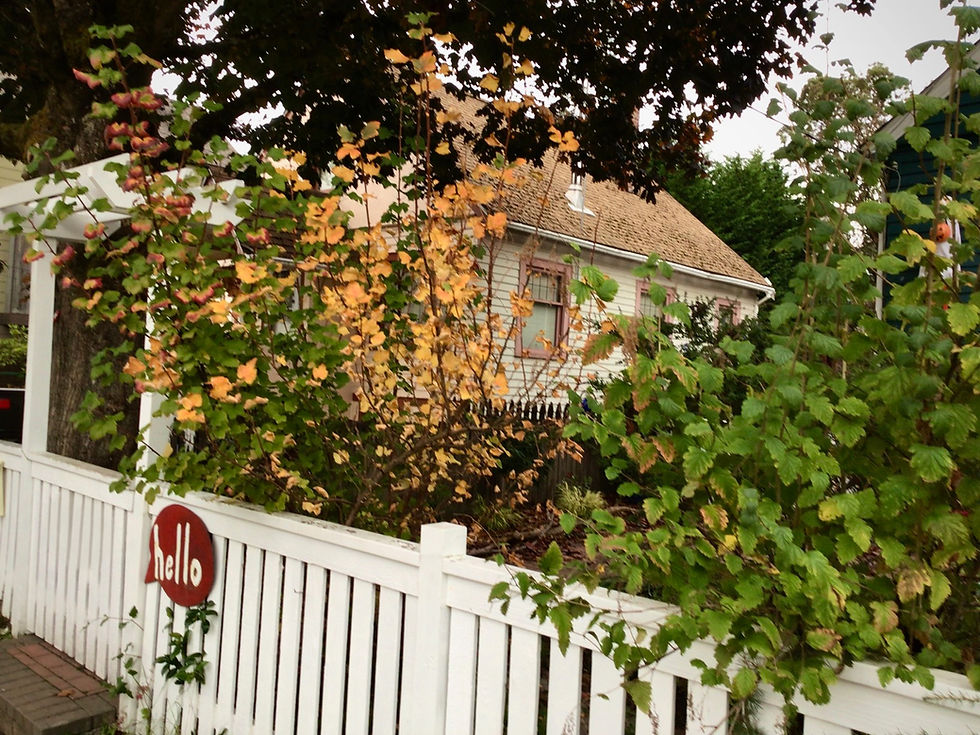
Fall is hands-down the most effective time to plant in our region. Cooler temperatures, shorter days, and the return of seasonal rains create ideal conditions for root establishment. Plants spend less energy on top growth and more on developing a strong root system, so they settle in faster, handle stress better, and require far less watering.
Designing in late summer and early fall sets up the perfect transition to fall planting—your plans are ready just as the best conditions are.
Early Spring Is the Second Best Window
Spring planting works beautifully too, especially for deciduous shrubs, perennials, native plants, and cool-season grasses. Soil is still moist, rains continue, and temperatures are mild. The key is planting early enough to avoid the increasingly dry, hot spells of late spring and early summer.
Designing during winter positions your project to take full advantage of this spring window.
Winter Is a Powerful Time for Design
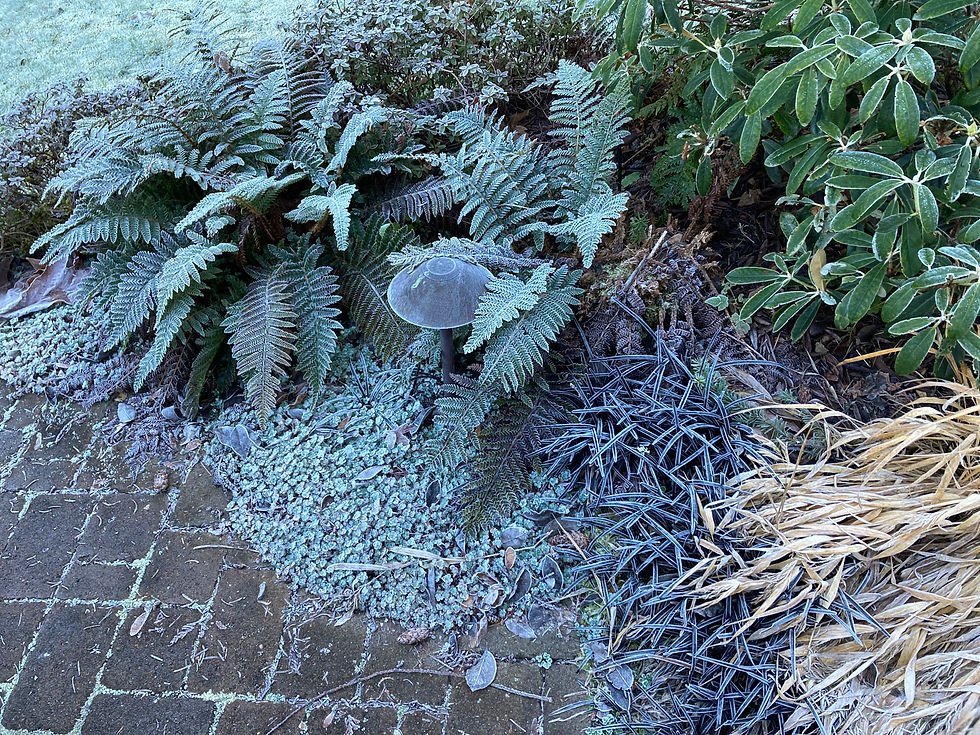
Winter is a slower season for installation—but a perfect season for design. With foliage down and structure exposed, we can observe what the garden actually needs: better flow, stronger winter interest, improved habitat, or new planting spaces. It’s also the ideal time to take measurements, gather inspiration, and finalize concepts so installation can begin right when the planting season opens.
Why Summer Isn’t Ideal (But Still Possible)
Summer installations are doable when necessary, but they require careful plant selection, consistent watering, and temporary shade or irrigation—especially during drought periods. It’s the least forgiving time to plant, but a great time to plan.

Designers and Contractors Book Up Early
One of the most important—and often overlooked—parts of a successful garden transformation is timing your collaboration with your landscape designer. Designers typically book several months in advance, especially heading into peak planting seasons.
But it’s not just your designer’s schedule to consider—contractors also have their own backlogs. Between design development, revisions, plant sourcing, and contractor scheduling, the timeline is almost always longer than people expect. This is especially true from spring through summer, when demand sharply increases and installation calendars fill rapidly.
Starting early ensures:
You secure a place on your designer’s schedule
You have time for a thoughtful design process rather than a rushed one
Contractors can be lined up without delays
Installation aligns with the ideal planting window
Allowing more time than you think not only reduces stress, it results in a more cohesive, well-executed project.
A Simple Rule of Thumb
Design in winter or late summer.
Plant in fall or early spring.
Start conversations with your designer early—contractor schedules depend on it.
This seasonal rhythm results in healthier plants, lower maintenance, and gardens that thrive for decades.
Plan Now. Plant at the Right Time.
If you’re hoping to transform your landscape next spring or fall, now is the time to begin. Starting early gives us the time to thoughtfully shape the layout, circulation, structure, and planting—and to coordinate installation with the best season for establishing your garden.


Comments