
Wildlife-Friendly Garden Design in Seattle and Camano Island

Updated: Mar 10

Supporting Birds Without Creating Pest Habitat
Wildlife-friendly gardens are often described as natural or loosely planted spaces. In practice, the difference between a garden that supports birds and one that unintentionally creates pest habitat comes down to design.
In Seattle and on Camano Island, residential landscapes sit alongside forests, shorelines, and greenbelts. Because of this proximity to natural systems, garden design can influence which species thrive nearby.
Thoughtful planting can support birds, pollinators, and other beneficial wildlife while still creating a beautiful and functional landscape for the people who live there.
Wildlife Habitat vs Pest Habitat
A wildlife-supportive garden strengthens ecological relationships by providing food, shelter, and seasonal continuity.
Plants play a central role because they support insects. Leaves feed caterpillars and other herbivorous insects, nectar supports pollinators, and seeds and berries feed birds later in the season.
Research by entomologist Douglas Tallamy shows that most songbirds rely heavily on insects to raise their young. Even birds that eat seeds as adults feed caterpillars to nestlings because they provide the protein needed for growth. A pair of chickadees may gather thousands of caterpillars to raise a single brood.
In many Pacific Northwest gardens, those caterpillars originate from the leaves of native trees and shrubs such as willows (Salix), serviceberry (Amelanchier), and red-flowering currant (Ribes sanguineum).
By contrast, landscapes that provide shelter without supporting the food web often favor nuisance species rather than beneficial wildlife.
When Good Intentions Go Sideways: The Ivy Example
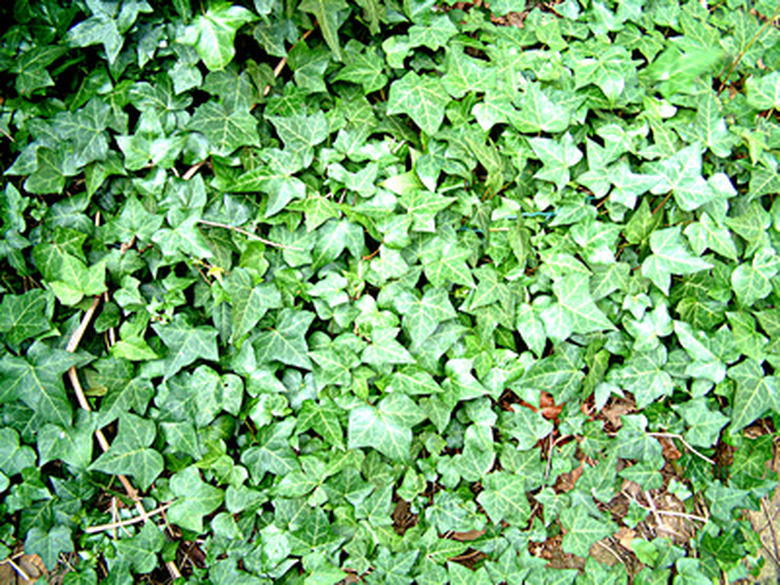
English ivy is often planted for evergreen coverage and erosion control, but in the Puget Sound region it frequently creates habitat problems.
Dense ivy can:
• conceal rodent burrows
• create hidden travel corridors
• connect ground cover to rooflines and structure
s• displace native plants that support insects and birds
While ivy provides cover, it contributes little to the regional food web compared with native shrubs and trees. Over time it can simplify the ecosystem while creating ideal hiding space for rodents.
Why Rodents Favor Dense Groundcover
Rodents look for environments that offer protection and easy movement. Dense, undisturbed cover and concealed pathways provide ideal conditions.
Large, uninterrupted groundcovers and neglected edges can make landscapes easier for rodents to navigate and inhabit.
Design can shift that balance by introducing structure, plant diversity, and clearer transitions within the garden.
What Wildlife-Friendly Garden Design Looks Like in Seattle and Camano Island
A well-designed wildlife garden supports ecological relationships while maintaining visual structure and clarity.
Layered Planting
Healthy habitat often includes several layers:
• trees for canopy and nesting
• shrubs for berries and shelter• perennials for seasonal nectar
• selective groundcovers rather than continuous blankets
Layered planting creates visual depth in the garden while supporting birds such as hummingbirds, chickadees, and thrushes. Larger predators such as hawks and owls also benefit from landscapes that support healthy prey populations.
Plants That Support the Food Web
Many pollinators visit flowers for nectar, but their larvae often depend on specific host plants. When these plants are present, insects become part of a functioning ecosystem rather than isolated pests.
Those insects feed birds, spiders, and other beneficial predators, helping maintain balance within the landscape.
Stewardship Matters
Wildlife gardens are designed landscapes that continue to be observed and maintained. Seasonal pruning, managing plant spread, and maintaining visibility near structures help keep habitat healthy while preserving the beauty and usability of the garden.
Habitat by Design, Not by Accident
Wildlife-friendly gardens do not happen by accident. They are shaped through thoughtful plant selection, layered structure, and ongoing stewardship.
When these elements work together, gardens in Seattle and on Camano Island can support birds, pollinators, and other beneficial wildlife while remaining beautiful and functional for the people who live there.
This is where thoughtful design allows ecology and artistry to work together.
If you are planning a garden and would like a landscape that supports wildlife without creating pest habitat, we invite you to explore our Wildlife by Design insights or schedule a consultation.

Copyright © 2026 Lakamas Landscape Design.
All text and photographs are the property of Lakamas Landscape Design unless otherwise credited. Please contact us for permission to reproduce or share.


Comments