
Seeing Bumblebees in Winter in Seattle and Camano Island?

Updated: Mar 4
What Winter-Active Bumblebees Reveal About Garden Functionality in Seattle

If you notice bumblebees buzzing around your garden during winter, especially near flowering shrubs like mahonia, it’s not a coincidence. This activity signals that your landscape provides essential food and shelter during one of the year's most challenging times.
In Seattle and on Camano Island, winter-active bumblebees are typically native queens. They emerge briefly on mild days to forage for food before retreating to their sheltered spots. Winter-blooming plants, such as mahonia, play a crucial role in their survival.
This brief burst of activity reveals much more about garden functionality than any summer display ever could.
Why Bumblebees Are Active in Winter
In the Pacific Northwest, bumblebees do not overwinter as colonies. Instead, they survive as fertilized queens. These queens find shelter during the cold months and venture out on warmer winter days to feed. After foraging, they return to their protective cover.
These winter foraging flights are vital. Access to early nectar can determine whether a queen survives long enough to establish a new colony in spring. When food is available at the right moment, the odds of survival improve significantly.
This behavior is not a mistake in the seasonal calendar; it’s a remarkable adaptation.
Mahonia: The First Leg of the Relay
Mahonia is a cornerstone of the winter landscape. It offers three essential benefits: nectar, efficiency, and shelter.
The dense flower clusters allow queens to feed quickly. The evergreen foliage creates protected microclimates. Additionally, the bloom timing fills one of the most critical nectar gaps of the year.
Mahonia rarely works alone. In resilient landscapes, it serves as the first handoff in a longer seasonal sequence.
Other Winter Bloomers Supporting Bees and Birds
Winter gardens that support wildlife rely on a select group of overlapping plants, rather than an exhaustive list.
In Seattle and on Camano Island, this overlap often includes:
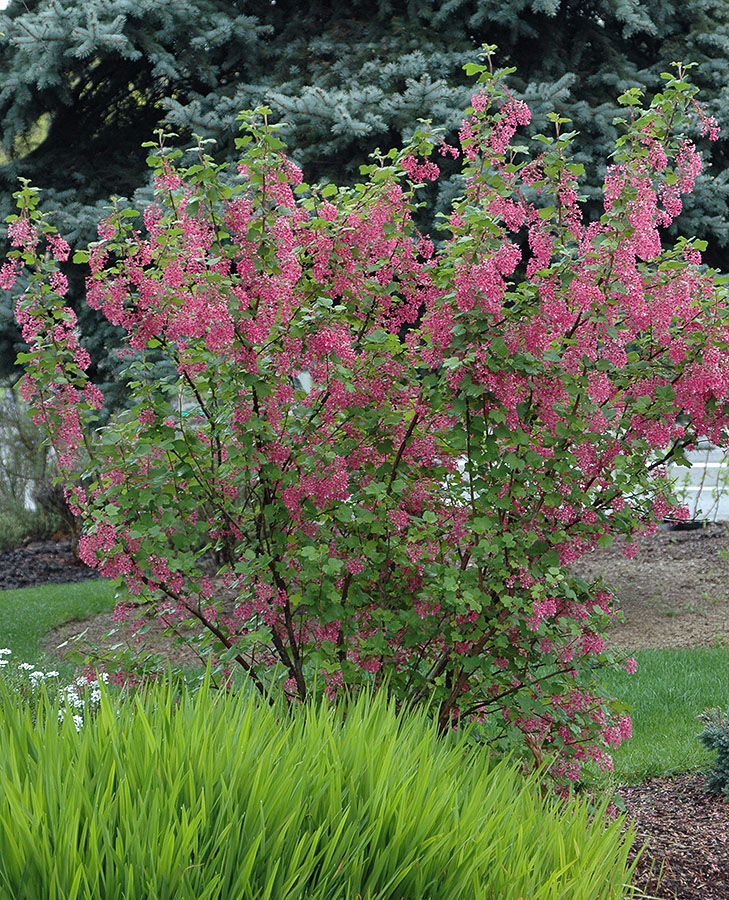
Red-flowering currant (Ribes sanguineum): This plant begins to open well before leaf-out, supporting both bumblebee queens and overwintering Anna’s hummingbirds.
Osoberry (Oemleria cerasiformis): This plant sets buds early, signaling the next seasonal shift for insects.
Winter-blooming heaths and heathers: These plants offer steady nectar on mild days.
Camellia: Select single-flowered forms are occasionally visited by hummingbirds during winter bloom.
Some plants are currently flowering, while others are preparing to bloom. Wildlife responds to both.
Not Honeybees, and Not Out of Season
Large, fuzzy bees active in winter are often mistaken for honeybees behaving oddly. However, bumblebees are native and adapted to cool, wet conditions.
Honeybees remain clustered in hives throughout winter, relying on stored resources. In contrast, bumblebee queens do not.
If you see bumblebees now, they are doing exactly what they evolved to do.
What Wildlife by Design Looks Like in Winter
Supporting wildlife in winter isn’t about planting everything. It’s about placing the right plants in the right sequence, with restraint.
Designing for wildlife in winter means:
Providing blooms before spring officially arrives.
Allowing plants to move through winter without heavy cleanup.
Thinking in overlaps rather than peak moments.
These decisions shape whether winter becomes a bottleneck or a bridge.
Designing for Wildlife
The same plant can behave very differently depending on its placement and surroundings. That’s why wildlife-supporting gardens don’t happen by accident.
The observations shared here stem from ongoing design work in Seattle and on Camano Island, where seasonal stress tests quickly reveal how landscapes perform.
You’ll find related essays, plant profiles, and seasonal insights throughout the Wildlife by Design series.
The Importance of Native Plants
Native plants are crucial for creating a thriving ecosystem. They provide food and habitat for local wildlife, including bumblebees and other pollinators. By incorporating native species into your landscape, you can enhance biodiversity and support the local ecosystem.
Creating a Year-Round Habitat
To create a truly supportive environment for wildlife, consider plants that bloom at different times throughout the year. This ensures that there is always something for pollinators to feed on, no matter the season.
Conclusion: Embrace the Winter Garden
In conclusion, winter-active bumblebees are a testament to the resilience of nature. By designing our gardens with these creatures in mind, we can create beautiful, functional, and ecologically sound outdoor spaces.
I encourage you to explore the possibilities of winter gardening. Embrace the beauty of your landscape, and let it support the wildlife that calls it home.
We invite you to explore what we can do to create a garden with interest all year long.
Learn More
Washington State University Extension: Home Garden Series, by David J. Pehling, Snohomish County Extension Assistant Jenny R. Glass, WSU Diagnostic Plant Pathologist, Copyright 2017, "Washington Bumble Bees in Home Yards and Gardens https://wpcdn.web.wsu.edu/wp-extension/uploads/sites/2053/2022/08/Washington-Bumble-Bees-in-Home-Yards-and-Gardens-pdf.pdf
A Field Guide to the Bumble Bees of Washington State, https://washingtonbumblebees.org/:
USDA, Washington State Becomes First to Adopt Statewide Strategy to Protect Bumble Bees: First ever state-wide bee conservation strategy blooms in Washington: https://www.fs.usda.gov/r06/newsroom/releases/first-ever-state-wide-bee-conservation-strategy-blooms-washington
Xerces Society, Bumble Bee Atlas: https://xerces.org/blog/tag/bumble-bee-atlas


Comments