
Anna's Hummingbirds Nesting Season in Winter in Seattle

Updated: Mar 4
If you’ve been noticing Anna’s hummingbirds more frequently this winter, you’re not imagining things. While most birds are focused on survival, these remarkable creatures are already turning their attention to the next generation.
They are among the earliest nesting birds in North America. In the Pacific Northwest, their breeding season often begins before most gardens feel awake.
Timing: Early, Flexible, and Weather-Driven
Anna’s hummingbirds can start breeding as early as December, with nesting activity stretching through late spring in favorable conditions.
In the Seattle and greater Puget Sound region, you might observe:
Courtship behavior beginning in mid-winter.
Nest building ramping up from late winter into early spring.
Eggs and hatchlings typically appearing from February through April, though the timing can vary year to year.
Cold snaps can pause activity, while mild winters and reliable food sources can accelerate it.
Courtship: Aerial Acrobatics With Purpose
Courtship begins before nests appear.
Males perform dramatic U-shaped dives, climbing high and plunging past females at remarkable speed. At the lowest point of the dive, they create a sharp, mechanical chirp or buzz. These displays signal fitness, establish territory, and play a role in courtship.
If you’re seeing repeated dives, quick chases, or hearing that distinctive sound overhead, you’re likely witnessing courtship behavior rather than simple feeding.
Males may also return to the same perch repeatedly, using it as a display point while defending a small territory.
These behaviors are often the first visible signs that nesting season is underway, even though the nests themselves are extremely small and well hidden.
What Nesting Females Need
Once paired, females handle all nest building and chick rearing alone. Their needs are specific and surprisingly delicate:
Nest materials:
Soft plant down
Spider silk for flexibility
Lichen or bark flakes for camouflage
Nest placement:
Horizontal branches or forks
Typically 6–20 feet off the ground
Often near cover, avoiding exposed locations
Reliable food sources:
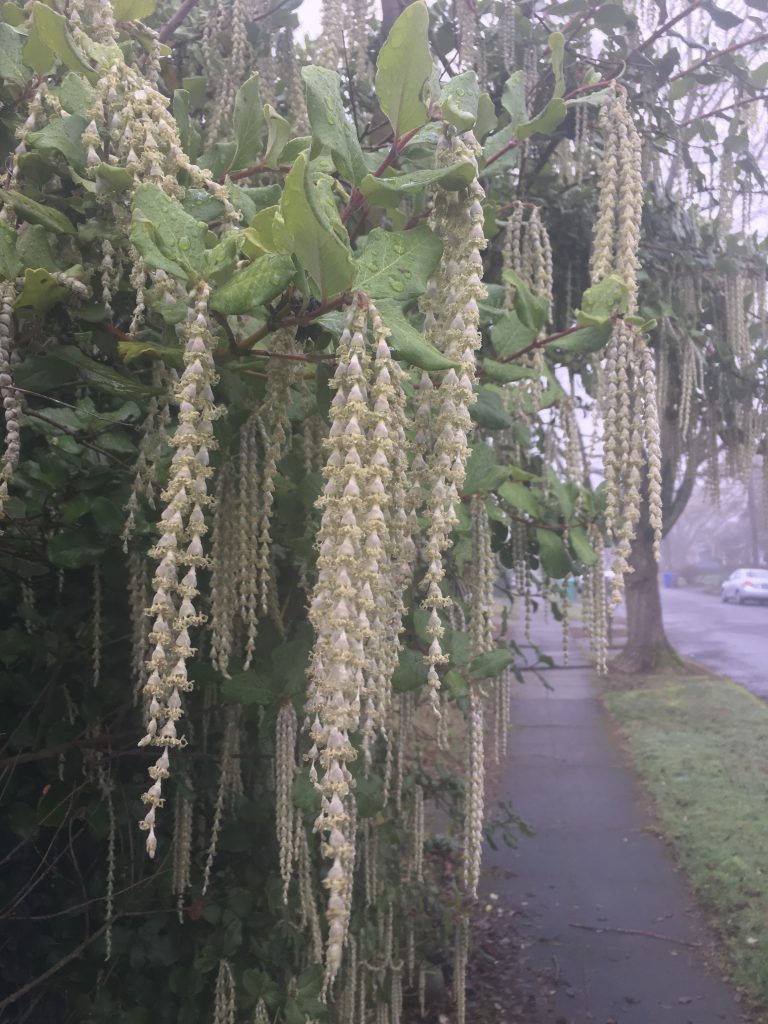
Winter and early-spring nectar sources
Small insects and spiders for protein
This is where garden design matters. A landscape that provides layered structure, early blooms, and undisturbed corners offers real support during nesting season.
What This Means for Your Garden in the Winter
Winter is a crucial time when:
Courtship behaviors may begin.
Nest site scouting can occur.
Gardens with winter blooms and shelter outperform others.
Avoid aggressive pruning of shrubs and trees through late spring when possible. That “messy” branch may be exactly where a nest is placed.
Designing With Wildlife in Mind
Supporting Anna’s hummingbirds isn’t about creating wilderness. It’s about designing landscapes with structure, seasonal depth, and the judgment to know when not to intervene.
Every garden has the potential to support life when design decisions account for how animals actually use space, not just how it looks in summer.
If you’re seeing Anna’s Hummingbirds exhibit courtship or nesting activities in the winter season in the Seattle region, your garden is already part of the story.
Enhancing Your Outdoor Space
Creating a welcoming environment for Anna’s hummingbirds can enhance your outdoor space. Consider incorporating native plants that bloom in winter and early spring. These plants provide essential nectar and attract insects, ensuring a reliable food source for the birds.
Native Plants for Hummingbirds
Here are some native plants that thrive in the Seattle area and are beneficial for hummingbirds:
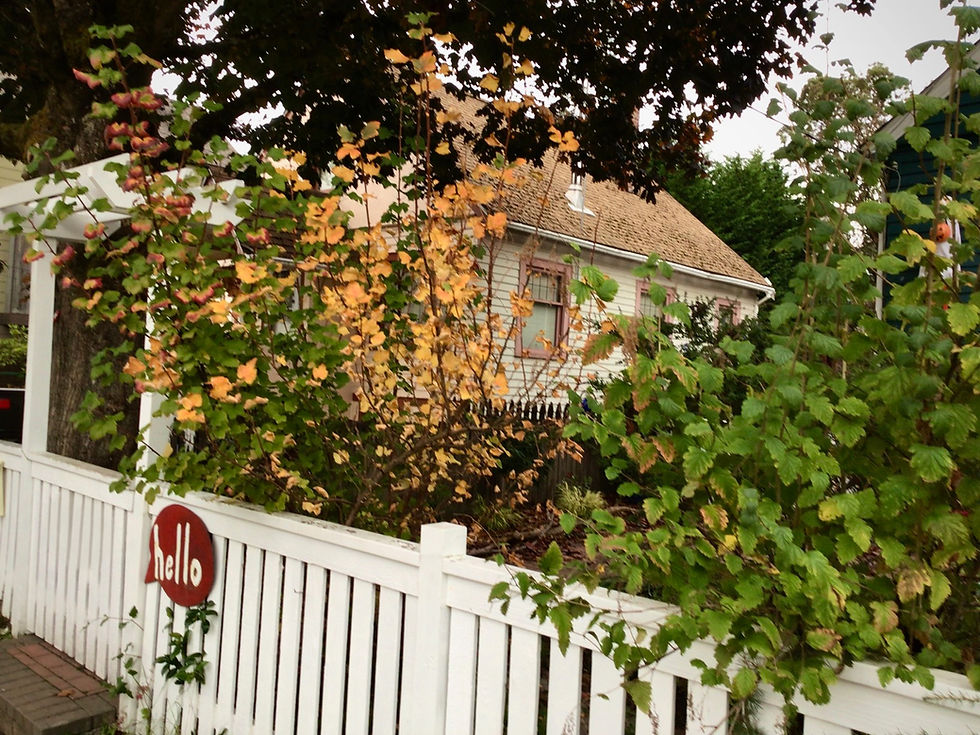
Red-flowering currant: This plant produces beautiful clusters of red flowers in early spring, attracting hummingbirds.
Salal: A hardy evergreen that provides cover and berries for various wildlife, including hummingbirds.
Pacific rhododendron: Known for its stunning blooms, this plant offers nectar during the crucial nesting period.
By integrating these plants into your landscape, you can create a vibrant ecosystem that supports not only Anna’s hummingbirds but also other local wildlife.
The Importance of Water Sources
In addition to food, water is vital for hummingbirds. Consider adding a small birdbath or a shallow dish filled with fresh water. Ensure it’s shallow enough for the birds to safely drink and bathe. Regularly change the water to keep it clean and inviting.
Creating Shelter and Safety
Providing shelter is essential for nesting females. Dense shrubs and trees can offer protection from predators and harsh weather. Avoid using pesticides or harsh chemicals in your garden, as these can harm hummingbirds and other beneficial insects.
Conclusion: Your Role in Supporting Wildlife
As homeowners, we have a unique opportunity to create spaces that support wildlife. By understanding the needs of Anna’s hummingbirds and other local species, we can design gardens that are not only beautiful but also ecologically sound.
Let’s embrace the beauty of winter and the arrival of these remarkable birds. Your garden can play a vital role in their story, offering them a safe haven to thrive and flourish.
We invite you to explore what landscape design can do for your garden.

Learn More:
National Park Service: https://www.nps.gov/articles/anna-s-hummingbird.htm
Audubon Society: https://www.audubon.org/field-guide/bird/annas-hummingbird
Anna’s Hummingbirds in Washington State: Community Science Data Produce a New Awareness Bruce P. McCammon, January 2024, NCWA Audubon Society: https://ncwaudubon.org/wp-content/uploads/2024/01/Community_science_produces_new_awareness_v2-2.pdf

Comments