
How to Attract Woodpeckers in Seattle and Camano Island Gardens

Updated: Mar 4
Why flickers and other woodpeckers belong in well-designed landscapes, and what they give back to your garden

Here’s a garden-friendly love letter to one of the Pacific Northwest’s most charismatic backyard and woodland visitors: woodpeckers (including our ground-foraging relatives, the flickers). These feathered engineers are not just fascinating to watch — they’re functional allies in healthy ecosystems and gardens big and small.
Many homeowners ask how to attract woodpeckers to a garden, especially in Seattle and on Camano Island where mature trees and layered plantings create strong habitat potential.
Why Woodpeckers Delight and Matter
Across the Seattle area and the broader Pacific Northwest, a handful of woodpecker species, sapsuckers, and flickers bring vibrant presence and valuable ecological work to forests, parks, and even gardens. From tiny downy woodpeckers to striking pileated woodpeckers and quirky Northern Flickers, each has a niche in the tapestry of local biodiversity.
Woodpeckers are more than tapping percussionists with fanciful plumage. They are keystone species — organisms whose activities disproportionately support the richness of life around them. By excavating tree cavities and feeding on wood-boring insects, they help shape forest structure, control pest populations, and provide homes or foraging sites for many other birds and mammals.

Meet the Woodpeckers of Seattle and Camano Island
Here are a few characters you might see around woodlots, mature gardens, and wooded edges in Seattle and on Camano Island:
Downy Woodpecker — the tiniest woodpecker in North America, frequenting backyard trees and suet feeders, feeding on insects, larvae, and berries.
Hairy Woodpecker — larger and often mistaken for the Downy, with a longer, chisel-like bill. It favors mature trees and wooded areas, and signals structural diversity in a landscape.
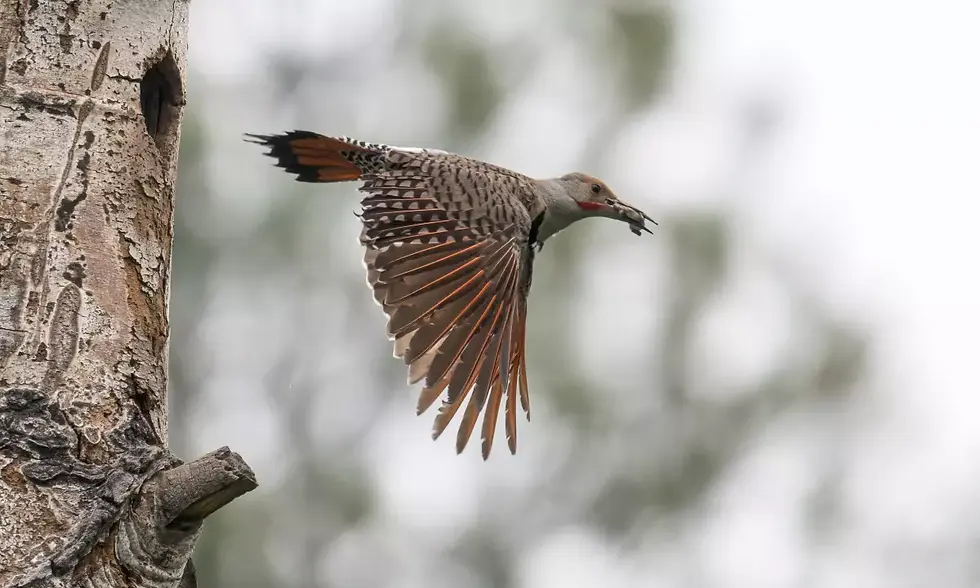
Northern Flicker — a woodpecker with a twist: it often forages on the ground for ants and beetles and also enjoys berries and seeds. In western Washington, we see the red-shafted form.
Pileated Woodpecker — the iconic, crow-sized woodpecker with bold black and red markings; a powerful excavator that creates large cavities later used by owls, songbirds, and other wildlife.
In well-designed Seattle and Camano Island gardens, these species are not incidental visitors. They are responding to canopy structure, insect life, retained deadwood, and the layered planting that supports a healthy ecosystem.
How to Attract Woodpeckers to a Garden
Woodpeckers are wonderfully adaptable, and there are thoughtful ways to make your landscape feel like home:
Food sources: Woodpeckers eat insects, especially wood-boring larvae and ants, which keeps pest populations in balance. They also relish fruits, nuts, seeds, and suet.
Trees and snags: Dead or decaying wood (snags) offers foraging value and natural cavity sites. Leaving snags where safe or using large, standing logs can be beneficial.
Native plants that support prey: Including keystone native trees and shrubs (like serviceberry, dogwood, and bitter cherry) supports insects and fruit that woodpeckers and other birds depend on.
Nest sites: Providing large birdhouses designed for woodpeckers or retaining trees with natural cavity potential helps support breeding pairs.
What Woodpeckers Do for the Garden
These birds aren’t just charming to watch — they deliver real garden benefits:
Natural pest control: They feed on wood-boring insects and larvae that can harm trees and shrubs.
Habitat creation: Cavities excavated by woodpeckers become homes for chickadees, swallows, small owls, bats, and other wildlife once abandoned by their creators.
Indicator of health: Their presence often signals a garden with a robust insect community and structural diversity (mature trees, snags, varied plant layers).
Designing with Woodpeckers in Mind
Incorporating bird-friendly elements into your garden not only invites woodpeckers but builds biodiversity that benefits the entire landscape. Here’s how it fits into intentional garden design:
Plant layers for life: A mix of tall trees, shrubs, and groundcover supports insects, fruits, and nesting opportunities that attract birds and pollinators.
Create mosaic habitats: Snags, brush piles, native berry shrubs, and water features create a mosaic of resources that benefit woodpeckers and other wildlife.
Balance order and wildness: Leaving space for natural processes (like wood decay) alongside cultivated plantings fosters a dynamic, resilient garden that supports ecological webs.

Celebrating Our Feathered Neighbors
Woodpeckers — from the quirky ground-foraging flicker to the deep-chisel pileated — are among the most evocative bird stories in Pacific Northwest gardens. They remind us that even the smallest tap can reverberate through an entire ecosystem, knitting together insects, plants, birds, and microbes into a living, thriving tapestry.
Whether you hear the rhythmic peck of a downy woodpecker outside your window or watch a flicker dart across your lawn in pursuit of ants, there’s joy and ecological wonder in every encounter. With intentional garden design rooted in native plants, structural diversity, and habitat empathy, we can make space for these delightful birds while strengthening the living fabric of our landscapes.
Woodpeckers aren’t just visitors. They’re gardeners of the forest and ambassadors of biodiversity right in our backyards.
Designing for Wildlife Takes Intention
Woodpeckers do not choose landscapes at random. They respond to structure, food sources, and habitat built over time.
If you are planning a garden in Seattle or on Camano Island and want it to support both beauty and ecological function, we invite you to explore our landscape design services.


Comments