
Winter Beauty: Deciduous Trees and Shrubs in the Seattle and Camano Island Garden

Updated: Mar 4
How bare branches and sculptural silhouettes bring quiet elegance to the winter landscape
Lakamas Winter Design Series
Winter reveals the true bones of the garden. When deciduous trees and shrubs drop their leaves, their structure—branching patterns, silhouettes, bark textures—becomes the architecture that guides the eye through the landscape. In the Pacific Northwest, from classic Seattle neighborhoods like Magnolia to rural coastal sites, these plants bring shape, clarity, and unexpected beauty to the quiet season.
Why Deciduous Structure Matters in Winter
Revealing Form and Line
With foliage gone, the underlying shape of each plant becomes a design feature. Japanese maples, birches, and Stewartia offer delicate tracery, strong vertical lines, or sculptural branching that read beautifully against winter skies. Even small trees can become striking focal points when positioned along pathways, near windows, or as accents within mixed borders.
Light, Views, and Seasonal Transparency
Deciduous plants allow winter sunlight to reach deeper into the landscape and the home. Because winter sun is low in our region, this seasonal openness is especially valuable. It also expands views across the property, revealing long sightlines that feel lost during the height of summer foliage.

Deciduous Trees for Winter Structure
Acer griseum (Paperbark Maple) — Cinnamon-toned, exfoliating bark that glows in low winter light.
Hamamelis x intermedia (Witch Hazel) — Fragrant yellow, orange, or copper flowers on bare branches in January and February.
Stewartia pseudocamellia (Japanese Stewartia) — Mottled bark and refined branching that stand out once leaves drop.
Deciduous Shrubs with Winter Interest
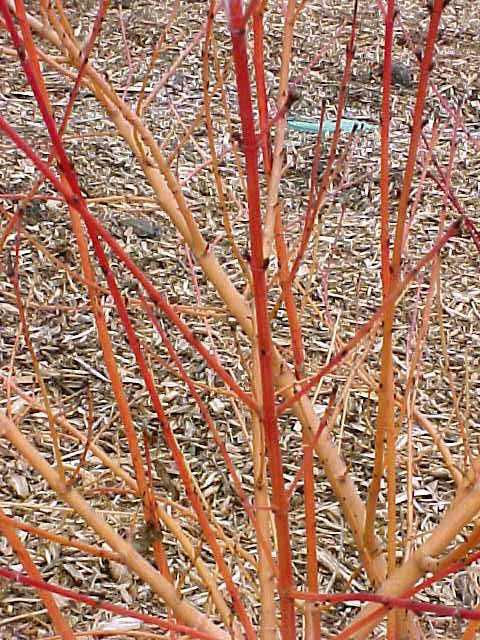
Cornus sericea (Red- or Yellow-Twig Dogwood) — Vibrant stems that illuminate the garden on gray days.
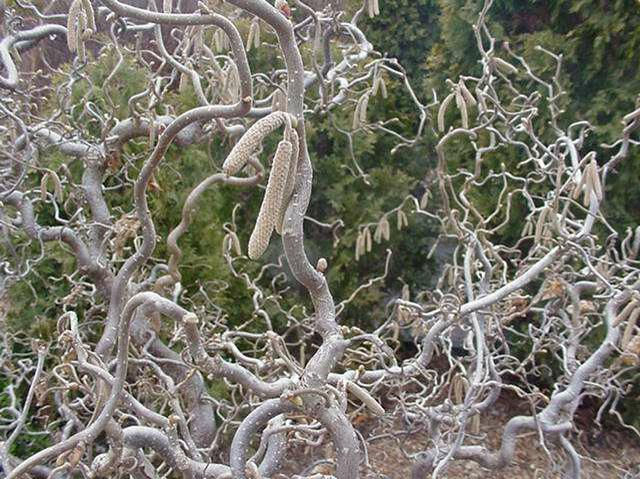
Corylus avellana ‘Contorta’ (Contorted Filbert) — Twisting winter branches that add sculptural character.
Viburnum x bodnantense ‘Dawn’ — Fragrant, early-season pink blooms on bare wood.
Deciduous or Fully Winter-Dormant Groundcovers
These low-layer plants disappear in winter, creating a clean base that highlights the structure above.
Geranium maculatum (Wild Geranium) — Fully dormant in winter; reemerges early with fresh foliage.
Maianthemum stellatum / Maianthemum dilatatum (Starry False Solomon’s Seal / False Lily-of-the-Valley) — Dies back completely, returning with bright spring shoots.
Polygonatum species (Solomon’s Seal) — Herbaceous stems retreat entirely, leaving a tidy winter floor beneath shrubs and trees.
Where to See Winter Deciduous Structure
Regional gardens such as the Seattle Japanese Garden, the Witt Winter Garden at Washington Park Arboretum, Bellevue Botanical Garden, Kruckeberg Botanic Garden, and the NWREC Display Gardens in Mount Vernon offer excellent examples of winter silhouettes, bark color, and structural planting.
Final Thoughts
Deciduous trees and shrubs give winter landscapes their most essential qualities: structure, light, and quiet drama. Whether we are designing for Seattle or for coastal areas like Camano Island, choosing plants with strong winter form ensures the garden feels intentional and beautiful—even in its most pared-back season.
We invite you to explore the ways that our landscape design services can create a garden that is beautiful and functional all year long.


Comments