
Winter Structure: The Quiet Architecture of the Garden
- Jonna Semke

- Nov 19
- 3 min read
Winter Landscapes Series – Part 1

Winter is the season when the true architecture of a garden comes into focus. Without the lush foliage and colorful blooms of summer, we are left with form, line, texture, and shadow—the essential structure that gives a landscape its identity. In the Pacific Northwest, where winter light is soft and the palette becomes more subdued, structure becomes especially important. It creates comfort and clarity, guides the eye, and supports the ecological life that continues long after the flowers fade.
At Lakamas Landscape Design, we design winter first. A garden that holds together in January will be exceptional the rest of the year.
Why Structure Matters in Winter
It reveals the underlying design
In winter, the “bones” of a landscape—trees, shrubs, evergreen layers, grasses, stone, and pathways—become the main event. Strong structure ensures the garden remains engaging, even in the quietest months.
It supports wildlife
Evergreen shrubs provide cover for songbirds. Seedheads feed finches and chickadees. Dried stems shelter overwintering pollinators. Structure is not just aesthetic—it is ecological function.
It brings clarity and rhythm
Repeated forms, layered heights, and intentional voids create legibility in winter. Without flowers to distract, the composition becomes more sculptural and contemplative.
Elements That Create Winter Structure
1. Small Trees with Distinct Form
Choose species with architectural branching, interesting bark, or upright silhouettes that catch the winter light.
Acer circinatum (Vine Maple) – Graceful branching and strong four-season presence.
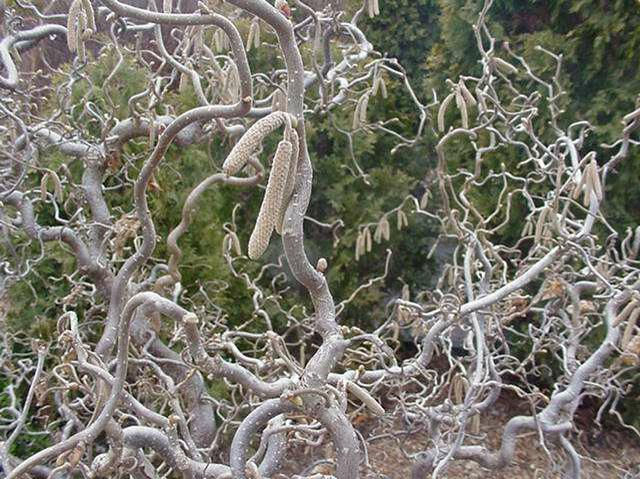
Hamamelis (Witch Hazel) – Sculptural framework and late-winter flowers.
Stewartia pseudocamellia – Exfoliating bark and elegant form.
Place these where they can be appreciated from the house—winter is experienced largely from inside looking out.
2. Evergreen and Semi-Evergreen Framework
These are the backbone, offering consistency and holding the design through dormancy.
Camellia sasanqua – Upright form with mid-winter blooms for Anna’s hummingbirds.
Osmanthus heterophyllus – Dense, clean evergreen foliage for structure.
Leucothoe ‘Scarletta’ or ‘Paisley Pup’ – Cascading mounds and winter color in shade.
Mahonia ‘Soft Caress’ – Fine-textured evergreen with winter flowers.
Mix upright evergreens with mounding forms to add rhythm and prevent heavy “walls of green.”
3. Deciduous Shrubs that Hold Shape
Some shrubs remain visually compelling even without leaves.
Hydrangea quercifolia (Oakleaf Hydrangea) – Beautiful bark and persistent dried blooms.
Cornus sericea (Redtwig Dogwood) – Winter stems that glow in low light.
Fothergilla ‘Mt. Airy’ – A beautifully structured deciduous shrub with an upright, branching framework that stands out in winter. Its clean silhouette pairs well with evergreens and grasses, and the persistent seed capsules add subtle texture. A reliable four-season shrub with exceptional fall color.
4. Grasses and Perennials Left Standing
Resist the urge to cut back in fall—this is where much of winter magic happens.
Calamagrostis ‘Karl Foerster’ – Upright winter silhouettes that sway in wind.
Panicum virgatum – Airy seedheads and structural stems.
Hakonechloa macra – Soft mounds that hold frost and snow.
Echinacea, Rudbeckia, Monarda seedheads – Graphic shapes + food for birds.
These elements catch light, add movement, and create habitat. Removing them too early eliminates the garden’s winter poetry.
Designing With Winter in Mind
Layer intentionally
Combine evergreen backbone plants with deciduous shrubs and perennials that hold their form. Contrast is essential—solid and transparent, fine and bold.
Prioritize winter sightlines
Consider the views from windows, entryways, and outdoor seating areas. Winter gardens are often observed rather than occupied.
Honor natural aging
Lichen-covered branches, exfoliating bark, tawny grasses, and seedheads are part of the season’s beauty. Let the garden express its natural character.
Support the ecosystem
Leave leaves in beds, keep seedheads standing, and encourage plant communities that create shelter and forage for birds and beneficial insects.
A Garden That Endures All Year
A well-designed landscape doesn’t go dormant—it shifts. Winter reveals form, reveals intention, and reveals the quiet presence of the garden’s structure.
By designing for winter first, we create spaces that are not only beautiful in summer, but meaningful, resilient, and alive every month of the year.
If you’re ready for a garden with strong winter presence and naturalistic structure, we’d love to design something rooted in your site, climate, and sense of place.

Comments